
Nearly 22 million people in the United States of America struggle with sleep apnea. This disorder causes those who have it to unconsciously stop breathing while they sleep. Failing to treat sleep apnea can cause a wide range of health issues. If you know the signs and symptoms of the disorder, it will make it easier to understand when to seek out help for it. Here’s a brief look at what sleep apnea is and how a local dental professional can help in treating it.
Did you know that sleep apnea can happen to anyone at any time? It can even be diagnosed in children. However, there are some people who are at a higher risk of developing this disorder due to their lifestyle, physical attributes and medical history.
While the exact symptoms that you experience may vary depending on the type of sleep apnea that you have, some of the most common symptoms include:
1. Excessive sleepiness during the day
Sleep apnea disrupts the sleep cycle and prevents you from going into REM sleep. This can keep you from feeling alert and refreshed in your daily life.
2. Snoring
This noisy issue is common and can also be a sign of having sleep apnea. It occurs when the air you are breathing has to fight to get through a partially obstructed airway.
3. Gasping or choking yourself awake
If you have sleep apnea, your brain will register the fact that you aren’t getting enough oxygen. This triggers your body to quickly take in air.
4. Episodes of breathlessness during sleep
Most people don’t realize that they are doing this until a partner tells them that they have noticed that they stop breathing for brief periods of time while they are asleep. If you have been told by a loved one that you do this, you may have sleep apnea.
5. Dry mouth and/or sore throat
Patients with sleep apnea tend to sleep with their mouths open. This can cause your mouth to feel dry. It can also lead to your throat feeling sore or itchy.
6. Headaches in the morning
The combination of the decrease in oxygen levels and a lack of sleep can lead to waking up with a headache in the morning.
7. Difficulty concentrating
A lack of good sleep will lead to difficulties in concentrating on the tasks that are essential to your daily life.
8. Decreased sex drive
Sleep apnea patients have been found to exhibit drops in hormones such as testosterone. This may cause a change in the libido.
9. Changes in mood
In addition to having a negative impact on the libido, sleep apnea patients may also experience fluctuations in the chemicals responsible for managing emotions. This can lead to an increase in irritability.
10. High blood pressure
Sleep apnea also affects the chemicals that regulate sweating and blood pressure. This can lead to high blood pressure developing. Patients who already have high blood pressure may see their blood pressure rise even higher. This is because of the regular dips in blood oxygen levels.
While you may be tempted to ignore your sleep apnea, it’s important you have it treated as soon as possible. This is because sleep apnea can lead to a dangerous accumulation of carbon dioxide in the blood. The lengthier the pauses in between breaths are, the more damage is being done to your body.
Ignoring your sleep apnea will cause you to lose out on a good night’s sleep. Regularly experiencing this problem can lead to serious issues associated with sleep deprivation. It can also exacerbate conditions such as high blood pressure or diabetes.
You may be aware of the essential role that dentists play in diagnosing and treating cavities and gum disease, but did you know that dentists are trained in treating obstructive sleep apnea?
In order to be treated for sleep apnea, you first need to be diagnosed with it. To do this, you will have to undergo a sleep study. This study can be done at a clinic or at home. No matter where you have the study conducted, it will provide valuable data that will help to determine the causes behind your inability to sleep properly. If you are diagnosed with sleep apnea, you will then be able to pursue the proper course of treatment for it.
Continuous airway pressure (CPAP) is a popular treatment option for OSA. This treatment utilizes a face mask that is hooked up to a machine. This machine then breathes for you so that you continuously receive oxygen while you sleep.
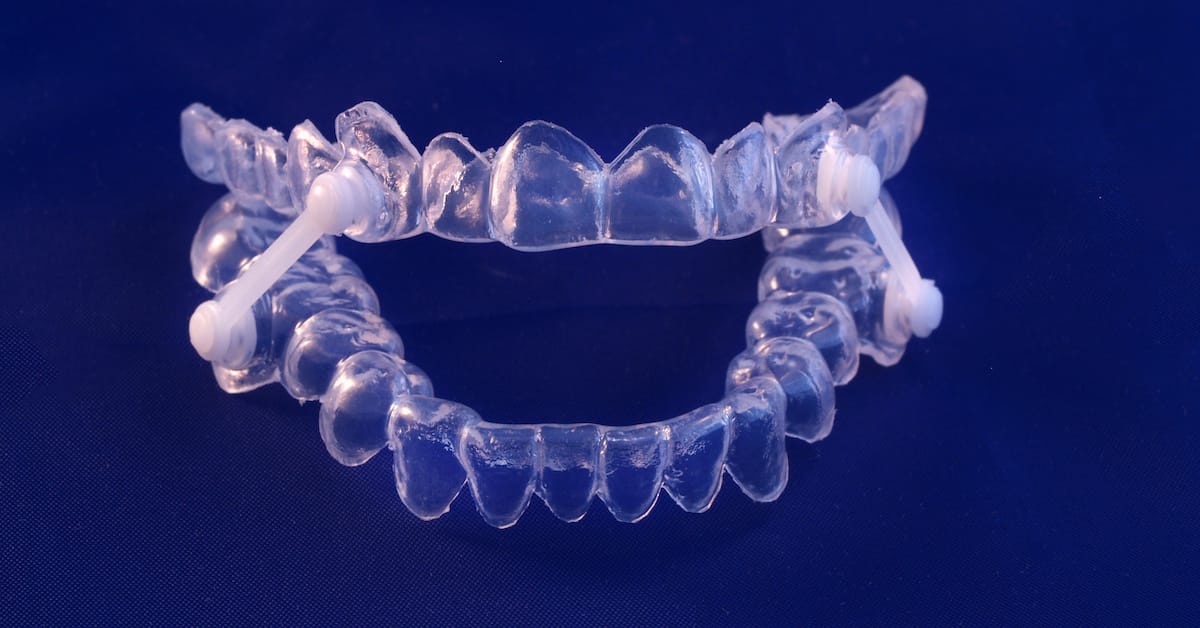
Oral appliance therapy is another treatment option you may wish to look into pursuing. This consists of your dentist having you fitted for a device that you place in your mouth while you are sleeping. These devices are more popular because they are less burdensome and more portable than a CPAP machine. Your dentist will let you know if this is a good treatment option for you and your unique needs.
There’s no need to wake up in the morning feeling sluggish and sick. In order to receive a diagnosis and treatment for sleep apnea, contact our team of professionals today to book an evaluation.